
The numbers from the Georgia Department of Public Health are stark: pedestrian deaths jumped 13% in just one year, from 2020 to 2021. A lot of these accidents are happening exactly where you’d expect, in the busy commercial zones of cities like Valdosta, where people and commercial trucks are constantly crossing paths. Knowing the real-world risks of walking across a shopping center driveway isn’t just an interesting thought exercise. It’s about protecting yourself, both physically and legally.
Key Takeaways
- Pedestrian deaths in Georgia are up 13% from 2020 to 2021, showing a clear increase in risk.
- Commercial driveways are hot spots for accidents because of high traffic and driver blind spots.
- Drivers in Georgia have a legal duty to watch out for pedestrians under O.C.G.A. Section 40-6-91.
- Even if you’re partially at fault, you can still get compensation for medical bills and lost wages in Valdosta, thanks to Georgia’s modified comparative negligence rule.
- After an accident, get medical help right away and take pictures of everything at the scene.
27% of Pedestrian-Vehicle Collisions Occur at Intersections or Driveways
It’s a national statistic from the NHTSA that feels like it was written about Valdosta: 27% of all collisions between pedestrians and vehicles happen right at intersections and the driveways next to them. If you’ve ever tried to walk through a packed shopping center parking lot here, you know why. Drivers are trying to merge into traffic, find a parking spot, or just get out of the lot, and they’re almost never looking for a person stepping out from between two parked SUVs.
I’ve seen these cases play out in my practice over and over, and they’re always complicated. Picture a driver trying to make a right turn out of a busy driveway, their view blocked by a line of parked cars and maybe a big decorative shrub. At the same time, a pedestrian is walking along the sidewalk, assuming the driver sees them and will wait. It’s a recipe for disaster. Those quick, pressure-filled judgments can go wrong in an instant and change someone’s life forever. While city planners and engineers work on better designs, the reality on the ground is that both drivers and pedestrians have to be on high alert.
Involved in a truck accident?
Trucking companies begin destroying evidence within 14 days. Truck accident claims average 3× higher than car accidents.
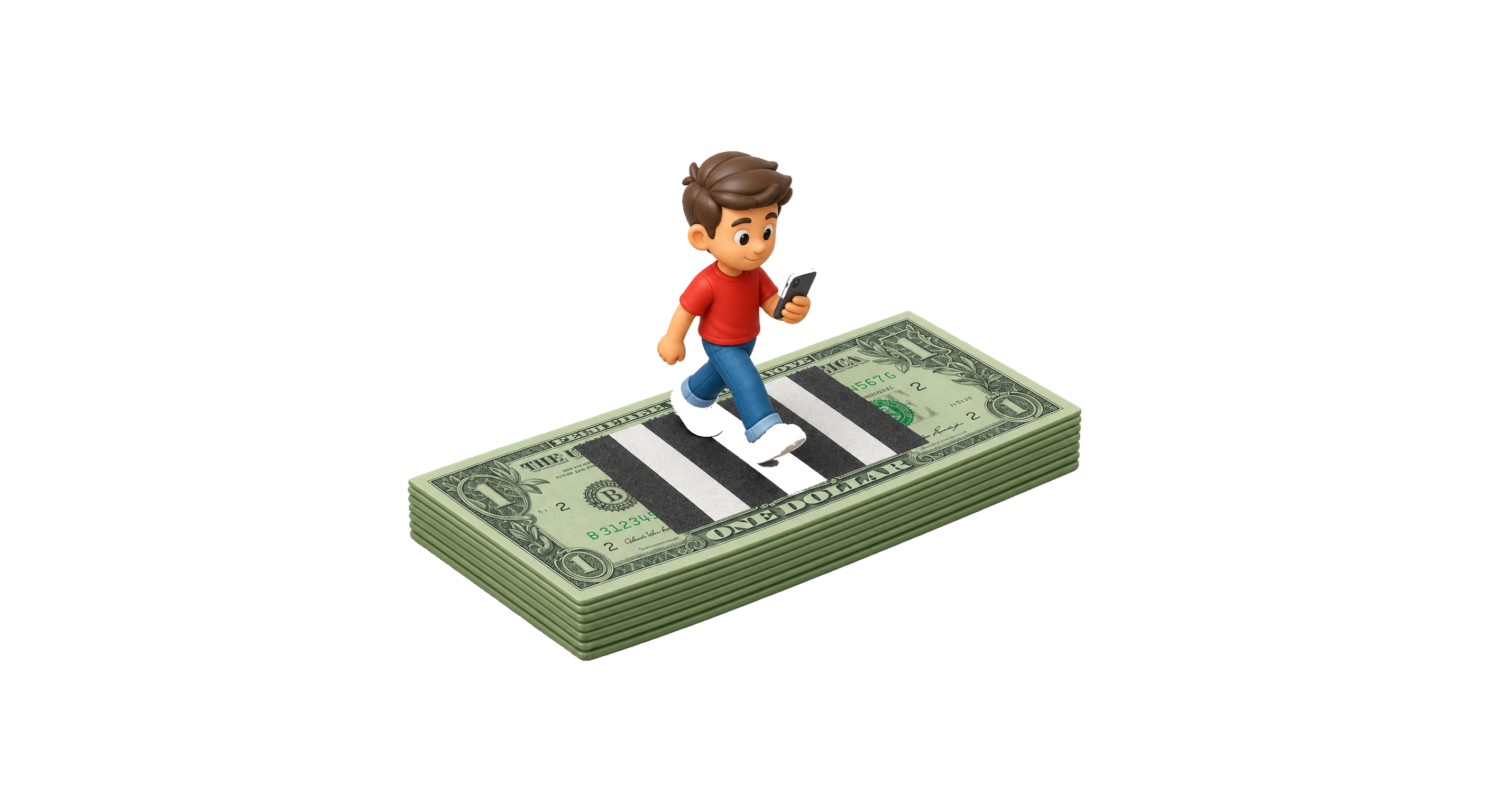
Injured as a pedestrian?
Know what your case is worth with AI Pedestrian Payout Calculator for FREE!
Start my free evaluationO.C.G.A. Section 40-6-91: Driver’s Duty of Care
The law in Georgia is very clear about who has the greater responsibility. O.C.G.A. Section 40-6-91 puts the burden squarely on the driver: “every driver of a vehicle shall exercise due care to avoid colliding with any pedestrian upon any roadway, shall give warning by sounding the horn when necessary, and shall exercise proper precaution upon observing any child or any obviously confused, incapacitated, or intoxicated person.” In short, this law creates a direct legal obligation for drivers to be alert and avoid hitting people.
In practice, “due care” means a driver can’t just look for other cars. On a commercial strip in Valdosta, it means actively looking for people walking, expecting them to appear, and being ready to hit the brakes. Think about a delivery truck pulling out of a loading zone onto Baytree Road, that driver has a duty to scan for shoppers walking from one store to the next, not just for oncoming traffic. If they fail to do that and hit someone, they can be found negligent, even if the pedestrian wasn’t in a marked crosswalk. The law understands that a 4,000-pound vehicle is a weapon against an unprotected person, so the person behind the wheel has a higher duty to be careful.
Modified Comparative Negligence in Georgia: The 50% Rule
A lot of people get this part of Georgia law wrong. They think if you, the pedestrian, were even a little bit at fault, you can’t get anything. That’s not how it works. Under Georgia’s rule of modified comparative negligence (O.C.G.A. Section 51-12-33), you can be partially to blame and still collect damages, as long as your share of the fault is less than 50%. For example, if a jury decides you were 40% at fault for looking at your phone while crossing a driveway, you can still recover 60% of the total damages. But if they say you were 50% or more to blame, you get nothing.
Think about a scenario: a pedestrian steps into a driveway without looking, but the driver who hit them was flying through the parking lot way over the speed limit. Who’s at fault? Georgia’s system is designed to figure that out and assign a percentage to each person. It’s rarely a simple case of one person being 100% wrong. This is exactly why building a case requires digging into the details with accident reconstruction and tracking down witnesses. The whole point is to figure out the chain of events and how much responsibility each person bears, not just to point a finger at one of them.
Post-Accident Protocol: The First 72 Hours are Critical
What you do in the three days after being hit by a car in a commercial driveway can make or break your case. The absolute first thing you must do is get medical help. Even if you think you’re fine, some serious injuries like concussions or internal bleeding don’t show symptoms right away. If you wait to see a doctor, you’re not just risking your health. You’re handing the insurance company an excuse to claim your injuries must not have come from the accident.
While you’re waiting for help, or as soon as you can, use your phone. Take pictures of everything: the car, your injuries, the exact spot it happened, and anything that might have blocked the driver’s view. Get the names and numbers of anyone who saw what happened. The official police report is a good start, but it won’t have everything. I can’t tell you how many times a few quick cell phone photos have shown the one critical detail, like a faded stop sign or a view blocked by overgrown bushes, that the official report completely missed. Doing this yourself is the best way to create a clear record of what really happened.
There’s a dangerous myth that once you’re on private property, like in a shopping center parking lot, the normal rules of the road don’t apply. That’s completely wrong. A driver still has a duty to watch out for you. What’s more, the property owner might also be on the hook. If a commercial driveway in Valdosta has terrible lighting or is lined with overgrown hedges that make it impossible for anyone to see, the owner of that property could be held negligent for creating a dangerous condition. Don’t ever assume that “private property” is a free-for-all where nobody is responsible for safety. The law protects people in areas open to the public, and that includes parking lots.
Dealing with the fallout from a pedestrian accident in Valdosta, especially one in a commercial driveway, means you have to know Georgia law and be aggressive about gathering your own evidence from the very beginning.
How long do I have to file a pedestrian accident claim in Georgia?
Generally, you have two years from the date you were injured to file a lawsuit. That deadline is set by O.C.G.A. Section 9-3-33. If you miss it, you almost certainly lose your right to get any compensation.
What if the accident was partly my fault?
You can still recover money. Georgia’s law (O.C.G.A. Section 51-12-33) says you can collect damages as long as you’re found to be less than 50% at fault. Your final award is just reduced by whatever percentage of fault is assigned to you.
What kind of compensation is available?
You can typically seek money for all your medical bills (current and future), any income you’ve lost from being out of work, and for your pain and suffering. Sometimes property damage, like a broken phone or glasses, is covered too. The total amount always depends on the specific facts of your accident.
Should I talk to the other driver’s insurance adjuster?
Be very careful. The adjuster’s job is to save their company money, and they are trained to get you to say things that can hurt your claim. It’s smart to speak with a lawyer before you give them any kind of recorded statement or sign anything they send you.
What’s the most important evidence to collect?
Gather everything you can. This includes your own photos of the scene, the car, and your injuries. Get contact info from witnesses. Keep all your medical records and bills. Ask nearby stores if they have security camera footage. The more evidence you have, the stronger your case will be.



