There’s a staggering amount of misinformation circulating regarding pedestrian rights and responsibilities following a crosswalk accident, especially here in Savannah. Understanding your legal standing can make all the difference in the aftermath of such a traumatic event. Do you truly know your rights?
Key Takeaways
- Pedestrians often have the right-of-way in marked and unmarked crosswalks, but this right is not absolute and does not excuse negligence.
- Georgia law, specifically O.C.G.A. Section 40-6-91, outlines specific duties for both drivers and pedestrians at crosswalks.
- Reporting a crosswalk accident immediately to the Savannah Police Department is crucial for creating an official record of the incident.
- Even if partially at fault, a pedestrian may still recover damages under Georgia’s modified comparative negligence rule (O.C.G.A. Section 51-12-33).
- Consulting with an experienced personal injury attorney promptly after a crosswalk accident in Savannah is essential to protect your legal interests and navigate complex claims.
Myth 1: Pedestrians always have the right-of-way in a crosswalk.
This is perhaps the most dangerous misconception out there, and I’ve seen it lead to devastating consequences for my clients. While Georgia law generally favors pedestrians in crosswalks, it’s not an absolute “get out of jail free” card. Drivers certainly have a duty to yield, but pedestrians also have responsibilities. According to O.C.G.A. Section 40-6-91, drivers must yield the right-of-way to pedestrians lawfully within an adjacent crosswalk. However, the same statute also states that no pedestrian shall suddenly leave a curb or other place of safety and walk or run into the path of a vehicle which is so close that it is impossible for the driver to yield. I had a client last year, a tourist unfamiliar with Savannah’s often-congested intersections, who stepped off the curb on Broughton Street into an unmarked crosswalk without looking. A delivery truck, already committed to its turn, couldn’t stop in time. While the driver was cited for failing to yield, my client’s actions were also considered. We had to argue strenuously that the driver still had a reasonable opportunity to observe and react, despite my client’s sudden movement. The case became significantly more complicated because of this shared responsibility. It’s not just about who was “in” the crosswalk; it’s about reasonable care from all parties. The Georgia Department of Transportation emphasizes pedestrian safety, but their guidelines underscore that vigilance is a two-way street. Drivers must be attentive, but pedestrians cannot assume absolute immunity. They need to make eye contact with drivers and proceed cautiously. Expecting a vehicle to stop simply because you’re stepping into the street is a recipe for disaster.
Myth 2: If there’s no painted crosswalk, pedestrians have no rights.
This is another common misunderstanding that trips people up, particularly in older parts of Savannah where infrastructure might not be as clearly marked. The truth is, unmarked crosswalks exist and carry legal weight under Georgia law. An unmarked crosswalk is essentially the projection of the sidewalks on opposite sides of the street across the roadway at an intersection. This means that even if there are no white lines painted on the asphalt, if you are at a corner where sidewalks meet, you are likely in a legal crosswalk. O.C.G.A. Section 40-1-1 defines a “crosswalk” to include “that part of a roadway at an intersection included within the connections of the lateral lines of the sidewalks on opposite sides of the highway measured from the curbs or, in the absence of curbs, from the edges of the traversable roadway.” This is a critical distinction that many Savannah residents and visitors overlook. Drivers are still required to yield to pedestrians in these unmarked crosswalks, just as they would in a marked one, provided the pedestrian is acting reasonably. I remember a challenging case near Forsyth Park where a pedestrian was hit crossing a street without painted lines. The driver’s defense centered on the absence of a marked crosswalk, arguing the pedestrian was jaywalking. However, by meticulously mapping the intersection and demonstrating the presence of connecting sidewalks, we successfully established that it was, in fact, an unmarked crosswalk. This changed the entire dynamic of the case, shifting liability significantly towards the driver who failed to yield. It’s a testament to how crucial understanding the nuances of Georgia law is.
Involved in a truck accident?
Trucking companies begin destroying evidence within 14 days. Truck accident claims average 3× higher than car accidents.
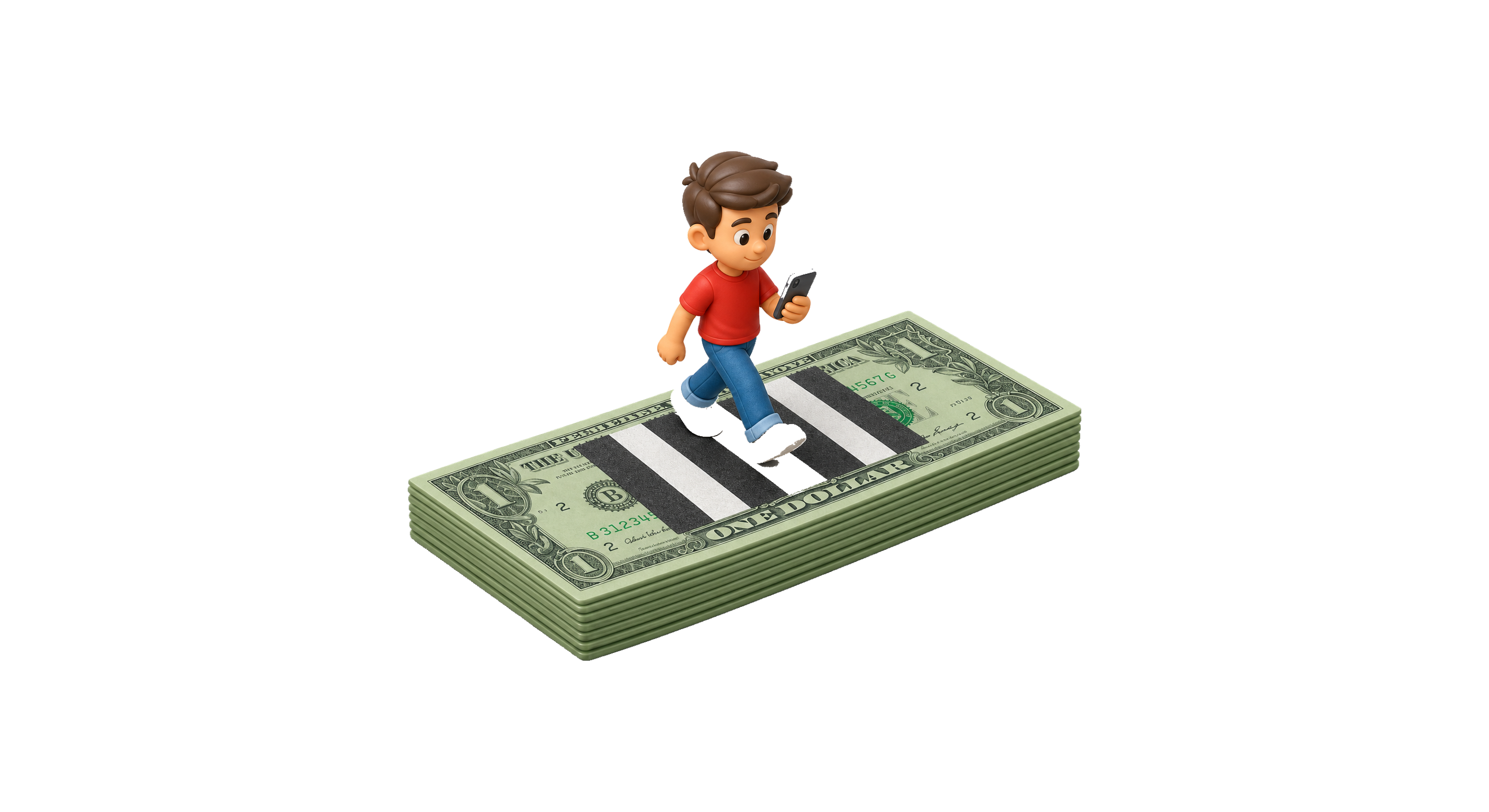
Injured as a pedestrian?
Know what your case is worth with AI Pedestrian Payout Calculator for FREE!
Start my free evaluationMyth 3: You can’t recover damages if you were partially at fault for the crosswalk accident.
Many people mistakenly believe that if they bear any responsibility for a crosswalk accident, their claim for damages is automatically invalidated. This isn’t true in Georgia, thanks to our modified comparative negligence rule. Under O.C.G.A. Section 51-12-33, if you are found to be less than 50% at fault for an accident, you can still recover damages. Your recoverable damages will simply be reduced by your percentage of fault. For example, if a jury determines your total damages are $100,000, but you were 20% at fault, you would still be able to recover $80,000. This rule is designed to prevent a complete bar to recovery for individuals who might have contributed slightly to an accident but were not primarily responsible. It’s a fairer system than pure contributory negligence, which would prevent any recovery if you were even 1% at fault. This is why thorough investigation and evidence collection are paramount. We work with accident reconstruction experts and witnesses to clearly establish the fault percentages. We had a case just last year where a pedestrian was crossing outside the marked crosswalk on Martin Luther King Jr. Boulevard but was still struck by a driver who was looking at their phone. While the pedestrian was assigned 25% fault for not using the marked crosswalk, the driver’s egregious distraction led to 75% fault, allowing our client to recover a substantial settlement for their medical bills and lost wages. It’s a nuanced area, and insurance companies will always try to assign as much fault as possible to the pedestrian to minimize their payout. That’s where an experienced attorney in Atlanta injury litigation comes in. We fight to ensure your percentage of fault is accurately and fairly assessed, protecting your right to compensation.
Myth 4: Reporting a crosswalk accident isn’t always necessary, especially if injuries seem minor.
This is a dangerously shortsighted perspective that can severely hinder your ability to pursue a claim later on. I cannot stress this enough: always report a crosswalk accident immediately to the appropriate authorities. In Savannah, that means calling 911 or the Savannah Police Department. An official police report creates an invaluable, objective record of the incident. It documents key details like the date, time, location, parties involved, and initial observations of the officers. Without this report, proving the accident even occurred can become incredibly difficult. Think about it: without a police report, it becomes a “he said, she said” situation. The driver might deny the incident, or their insurance company could argue that your injuries were sustained elsewhere. Furthermore, injuries that seem minor at the scene, like whiplash or concussions, can often manifest with severe symptoms days or even weeks later. If you wait to report, it becomes much harder to link those delayed symptoms directly to the accident. We once handled a case where a client, feeling shaken but seemingly uninjured after being clipped by a car near the City Market, decided not to call the police. Two days later, severe back pain forced them to the emergency room. Without an immediate police report, the insurance company fought tooth and nail, claiming the back pain was pre-existing or unrelated. It took significant effort, including witness statements and medical records, to overcome that initial hurdle. Had a police report been filed at the scene, documenting the incident and the driver’s information, the claim would have been far more straightforward. Always prioritize getting that official record. It’s your first line of defense.
Myth 5: You don’t need a lawyer for a straightforward crosswalk accident claim.
This is perhaps the most common and costly myth I encounter. Many people believe that if fault seems clear, they can handle the insurance claim themselves and save on legal fees. This is a profound miscalculation. Insurance companies, even your own, are not on your side. Their primary goal is to pay out as little as possible, and they have vast resources and experienced adjusters dedicated to achieving that. What might seem “straightforward” to you is a complex legal and financial negotiation to them. Navigating Georgia’s specific laws, like the modified comparative negligence rule (O.C.G.A. Section 51-12-33) or the statute of limitations for personal injury claims (O.C.G.A. Section 9-3-33), requires specialized knowledge. An attorney will ensure all necessary evidence is collected, including police reports, medical records, witness statements, and potentially even expert testimony. We understand how to calculate the full extent of your damages, which goes far beyond just immediate medical bills. It includes lost wages, future medical expenses, pain and suffering, and loss of enjoyment of life. Consider the case of a client who sustained a broken leg after a crosswalk accident on Abercorn Street. The driver’s insurance company offered a quick settlement that covered initial hospital bills but completely ignored weeks of lost income, physical therapy, and the long-term impact on their ability to work. We stepped in, rejected the lowball offer, and through diligent negotiation and the threat of litigation, secured a settlement more than three times the initial offer, covering all past and future expenses. Trying to handle that alone would have left them significantly undercompensated. An experienced personal injury lawyer acts as your advocate, protecting your rights and ensuring you receive fair compensation for your injuries. Understanding your pedestrian rights in Savannah after a crosswalk accident is not merely academic; it’s essential for protecting your future. Don’t let common misconceptions jeopardize your ability to seek justice and fair compensation.
What is the statute of limitations for filing a personal injury lawsuit after a crosswalk accident in Georgia?
In Georgia, the general statute of limitations for personal injury claims, including those stemming from a crosswalk accident, is two years from the date of the accident. This is outlined in O.C.G.A. Section 9-3-33. Failing to file a lawsuit within this two-year period typically means you lose your right to pursue compensation.
What steps should I take immediately after a crosswalk accident in Savannah?
First, ensure your safety and seek medical attention, even if injuries seem minor. Second, call 911 or the Savannah Police Department to report the accident and ensure a police report is filed. Third, gather contact and insurance information from the driver and any witnesses. Fourth, take photos of the scene, vehicle damage, and your injuries. Finally, contact an experienced personal injury attorney as soon as possible.
Can I still recover damages if I was jaywalking when hit by a car in Savannah?
While jaywalking (crossing outside of a marked or unmarked crosswalk) typically places more fault on the pedestrian, you might still be able to recover damages under Georgia’s modified comparative negligence rule (O.C.G.A. Section 51-12-33). If the driver was also negligent (e.g., speeding, distracted driving), and you are found to be less than 50% at fault, your recovery would be reduced by your percentage of fault.
What types of compensation can I seek after a crosswalk accident?
You can seek compensation for various damages, including medical expenses (past and future), lost wages (past and future), pain and suffering, emotional distress, and loss of enjoyment of life. In some cases, if the driver’s actions were particularly egregious, punitive damages might also be awarded.
How important are witnesses in a crosswalk accident claim?
Witnesses are incredibly important. Their unbiased testimony can corroborate your account of the accident, contradict a driver’s false claims, and provide crucial details that might be overlooked in the immediate aftermath. Always try to get contact information from any witnesses at the scene.