
In Los Angeles, an Uber driver hits a pedestrian every 3.5 days. That’s a real statistic, and it means someone is constantly being thrown into a world of financial and legal chaos, especially when you start peeling back the confusing layers of insurance policies. If you get hit, you have to understand how these policies fit together. So how does this policy layering actually affect a victim’s ability to get paid for their injuries?
Key Takeaways
- Uber’s insurance coverage isn’t one-size-fits-all. It’s tiered based on whether the driver is off-app, waiting for a ride, or on an active trip.
- California law makes rideshare companies carry specific insurance minimums that are way higher than what you find in a personal auto policy.
- To make a claim work, you have to understand how the driver’s personal policy, Uber’s backup liability, and their main coverage all connect.
- This layering of policies is a recipe for serious delays and fights between insurance companies, which means you need solid documentation and a good lawyer to cut through the noise.
- Don’t ever accept the first settlement offer thrown at you before you know exactly which policies are in play and what your future medical bills and other costs might look like.
The Staggering Reality: One Pedestrian Incident Every 3.5 Days
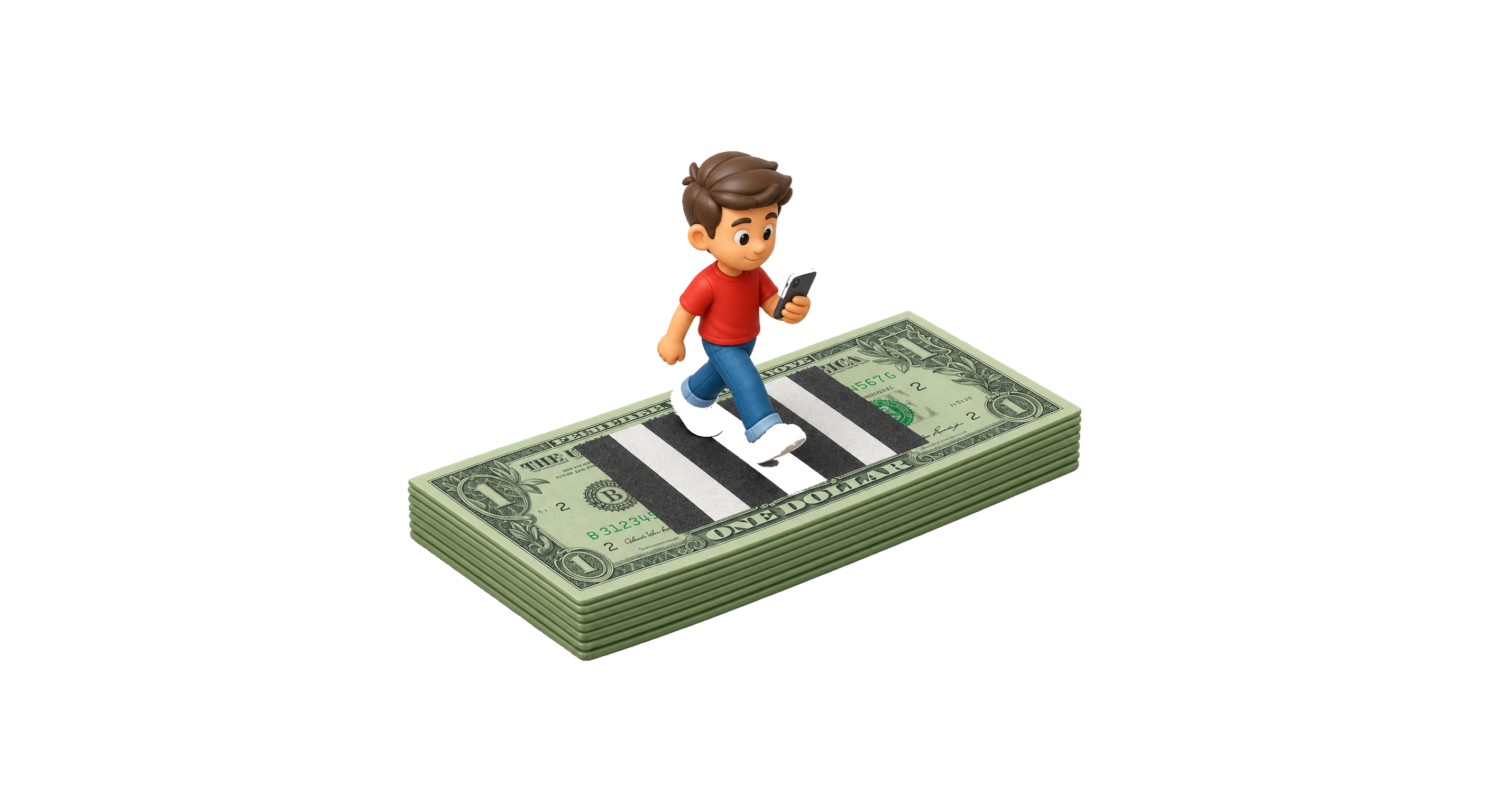
That statistic, a pedestrian getting hit by an Uber in Los Angeles every 3.5 days, is more than a number. It means a constant stream of people suffering bad injuries, facing huge bills, and being forced into legal fights. This figure is pulled from 2024-2025 accident reports and rideshare data, and it shows the real danger on our streets. With LA’s sprawl and how much we all use rideshare apps, we’ve created a perfect storm where these accidents happen all the time. Just picture someone crossing in a marked crosswalk on Wilshire Boulevard near the Academy Museum of Motion Pictures. They get hit by an Uber driver who was looking at a new ride request on his phone. The next thing you know, it’s ambulances, a trip to Cedars-Sinai Medical Center, and the massive headache of figuring out who is going to pay for it all. Because this happens so often, the legal machinery for handling these crashes, especially the tangled web of insurance policy layering, gets put to the test every single day in LA courtrooms.
Data Point 1: Uber’s Tiered Insurance Structure and Its Implications
Uber’s insurance isn’t one simple policy. It’s a tiered system that changes depending on what the driver was doing when the accident happened. It’s a point that gets lost on a lot of victims and even some lawyers who don’t handle rideshare cases regularly. When a driver is off-app, their own personal car insurance is supposed to be the one to pay. If they’re logged into the app but just waiting for a ride request, Uber has a contingent liability policy that kicks in, but with lower limits (think $50,000 per person/$100,000 per accident for injuries, and $25,000 for property damage). But as soon as that driver has accepted a ride and is on the way to a pickup, or has a passenger in the car, Uber’s main $1 million third-party liability policy is active. This layered system means the amount of money a pedestrian can get depends entirely on a timestamp. Was the driver just waiting for a fare on Santa Monica Boulevard, or had they just accepted one? Proving the driver’s exact status at the moment of impact is everything. This is where insurance companies get aggressive, because they’ll do whatever they can to argue the driver was in the lowest possible coverage tier to save themselves money.
Injured as a pedestrian?
Know what your case is worth with AI Pedestrian Payout Calculator for FREE!
Start my free evaluationData Point 2: California’s Mandated Coverage vs. Personal Policies
California has specific insurance rules for rideshare companies, handed down by the California Public Utilities Commission (CPUC). These laws are there to protect people from the extra risks that come with commercial driving. For instance, California Public Utilities Code Section 5430 lays out some of these rules for what they call transportation network companies (TNCs). The $1 million primary liability coverage for active drivers is a direct result of these state mandates. That’s a huge jump from a standard personal auto policy, which might only cover $15,000/$30,000 for bodily injury. This massive difference is what creates the whole policy layering nightmare. The driver’s personal insurance company will almost always deny the claim by saying they don’t cover commercial driving. This is supposed to be covered by Uber’s contingent policy, but that’s only in certain situations. So what happens when the personal policy says no and Uber’s smaller backup policy isn’t enough to cover a life-altering injury? That’s when the real fight begins. I’ve personally seen cases where this finger-pointing between insurance carriers adds more than a year to the claims process, all while the client’s medical bills are just piling up.
Data Point 3: The “Gap” Period and Contingent Coverage Disputes
That “gap” period, when a driver is on the app but hasn’t accepted a ride, is where most of the fights happen. Uber’s lower-limit contingent liability policy is meant to step in here, especially since personal auto insurers almost always deny the claim due to a “commercial use” exclusion in their policies. This denial forces the claim onto Uber’s policy. The problem comes up when the pedestrian’s injuries are bad and the medical bills blow past the $50,000 or $100,000 limits of that contingent policy. Think about a pedestrian who gets hit by an idling Uber driver near the Staples Center and suffers a traumatic brain injury. The medical treatment costs can pass those limits in a matter of weeks. A lot of people have the mistaken idea that Uber’s policy will just pay for everything in these situations, but that’s a dangerous oversimplification. Uber’s insurers will fight tooth and nail to pay as little as possible, and it’s up to the injured person to prove the driver’s status and the true cost of their injuries. This is exactly why getting a lawyer involved early isn’t just a good idea. It’s necessary. Without that help, victims end up trying to negotiate with professional insurance adjusters whose only job is to get them to accept the lowest amount possible.
| Factor | Uber Driver Status | Insurance Coverage |
|---|---|---|
| Frequency of Incidents | Los Angeles Pedestrian Crashes | One incident every 3.5 days |
| Off-App | Driver not logged in | Driver’s personal auto insurance applies |
| Awaiting Request | Logged in, waiting for a ping | Uber’s contingent liability (e.g., $50K/$100K/$25K) |
| On Trip (Accepted/Active) | Driving to or with a passenger | Uber’s primary $1 million liability policy |
| California Mandate | Rideshare Company Requirements | Way higher than personal policy limits |
| Legal Ramifications | Policy Layering Impact | Causes delays, disputes, and needs heavy proof |
Data Point 4: Uninsured/Underinsured Motorist (UM/UIM) Coverage Complexity
Uninsured/underinsured motorist (UM/UIM) coverage adds another wrinkle to this insurance puzzle. You usually think of this as part of your own car insurance, but it can get complicated when a pedestrian is hit in a rideshare accident. If the Uber driver is considered uninsured or underinsured for the accident (maybe their personal policy denied the claim and Uber’s contingent policy is all used up), the pedestrian’s own UM/UIM coverage might be an option. But it’s not an easy process. Many UM/UIM policies have tricky language about “vehicles for hire” that can make it hard to file a claim. And if the pedestrian doesn’t have a car or their own policy has low limits, it might not provide much help anyway. To even access these benefits, you often have to prove that you’ve exhausted every other possible source of payment, which is just another bureaucratic hoop to jump through. This is a point I argue with adjusters about all the time. They’re quick to dismiss UM/UIM as irrelevant in these cases. It’s a tough fight, but for someone facing a mountain of medical debt and lost income, it can be the only option left.
The Overlooked Aspect: The Driver’s Employment Status
Something that doesn’t get talked about enough in these policy layering discussions is the whole fight over whether rideshare drivers are employees or independent contractors. California’s Proposition 22 tried to settle it by calling them contractors, but the legal challenges just keep coming. Why does this matter? Because their status directly changes the options for getting compensation. If a court ever decided drivers were actually employees, that could open up completely different paths, like workers’ compensation or holding Uber directly responsible as the employer (though that’s not how it works in California right now). The independent contractor label keeps the focus on the insurance policies. But the law isn’t set in stone. A future court ruling or a new law could change everything about how liability works in these accidents, making it either harder or easier for pedestrians to get paid. It just goes to show how quickly personal injury law is changing with technology.
Trying to get your life back together after being a pedestrian hit by an Uber in Los Angeles is a huge uphill battle, mostly because of the intricate policy layering of insurance coverage. You have to understand every single tier, from the driver’s personal policy to Uber’s various contingent and primary coverages. It’s the only way to get fair compensation. Don’t try to sort through these complex financial webs on your own. Get help from a lawyer who knows this stuff inside and out to protect your rights.
What is “policy layering” in the context of a pedestrian hit by an Uber?
It’s the stack of different insurance policies that might cover the accident. This includes the driver’s personal insurance, Uber’s smaller backup (contingent) policy, and Uber’s main $1 million primary policy. Which one pays depends entirely on what the driver was doing at the moment of the crash.
What are the key differences in Uber’s insurance coverage tiers?
It all depends on the driver’s status. If they’re off the app, their personal insurance is supposed to pay. If they’re logged in and waiting for a ride, Uber’s contingent policy (with lower limits like $50,000/$100,000 for injury) applies if the personal policy denies the claim. Once they’re on an active trip, Uber’s main $1 million liability policy kicks in.
Can a pedestrian’s own insurance help after being hit by an Uber?
Yes, it’s possible. Your own uninsured/underinsured motorist (UM/UIM) coverage could pay out if the Uber driver’s applicable insurance is maxed out or nonexistent for the situation. Getting that money can be a complicated fight, though.
Why is it difficult to determine which insurance policy applies after an Uber accident?
Because it all comes down to proving the driver’s exact status at the very second of the crash, were they off-app, waiting, or on a trip? This is often disputed by the insurance companies, and you need solid evidence like app data to prove your case.
What should a pedestrian do immediately after being hit by an Uber in Los Angeles?
First, get medical help. Then, call the police to get an official accident report. Make sure you get the driver’s contact and insurance details, and take pictures or videos of everything at the scene if you can. It’s a good idea to talk to a personal injury lawyer who has experience with rideshare cases as soon as possible to figure out your next steps.



