The screech of tires, a sickening crunch of metal, and then the world went sideways for Sarah. Driving home from her late shift near Piedmont Park, an Uber driver, distracted by his navigation app, blew through a red light at the intersection of 10th Street and Monroe Drive. The resulting T-bone collision wasn’t just a fender bender. It totaled her 2024 Honda Civic and left her with a fractured wrist and a concussion. Now, grappling with medical bills and lost wages, Sarah wondered how she could possibly recover against an Uber driver, especially with the complexities of a $1M insurance policy. What does this mean for someone like Sarah in an Atlanta accident?
Key Takeaways
- Uber maintains a $1 million liability policy for drivers actively engaged in a trip or awaiting a ride request, which can cover substantial damages in a severe accident.
- Immediately after an Uber T-bone accident in Atlanta, document everything with photos and videos, exchange information, and seek medical attention, even if injuries seem minor.
- Working through an Uber accident claim requires understanding specific Georgia statutes, including O.C.G.A. Section 51-12-4 for damages and O.C.G.A. Section 9-3-33 for the two-year statute of limitations for personal injury claims.
- An experienced personal injury lawyer is essential for dealing with Uber’s complex insurance structure and ensuring you receive fair compensation for medical expenses, lost wages, and pain and suffering.
- The rideshare insurance system involves multiple layers, and securing benefits often involves dealing with both the driver’s personal policy and Uber’s commercial coverage.
The Immediate Aftermath: Chaos at 10th and Monroe
Sarah’s head throbbed, and a sharp pain shot up her arm. The other driver, a young man named David, was visibly shaken but unhurt. His car, a silver Toyota Camry with an Uber decal in the window, was crumpled on the passenger side. Paramedics arrived quickly, assessing both drivers. Sarah, feeling disoriented, was transported to Grady Memorial Hospital for further evaluation. The police officer on the scene, Officer Miller from the Atlanta Police Department’s Zone 5, began taking statements and gathering evidence. He noted the traffic light malfunctioned for a brief period earlier that day, creating an additional layer of complexity.
The first few days were a blur of doctor appointments, pain medication, and calls to her insurance company. Her car was a total loss, and her doctor informed her she would need surgery for her wrist, followed by weeks of physical therapy. The financial strain began to mount almost immediately. Lost income from her job as a graphic designer, coupled with the deductible on her health insurance and the cost of replacing her vehicle, felt overwhelming. This is where the intricacies of rideshare insurance truly come into play. Many people assume a driver’s personal policy will cover everything, but that’s rarely the case when a commercial enterprise like Uber is involved. The specific circumstances of when the driver was “on the clock” for Uber are paramount.
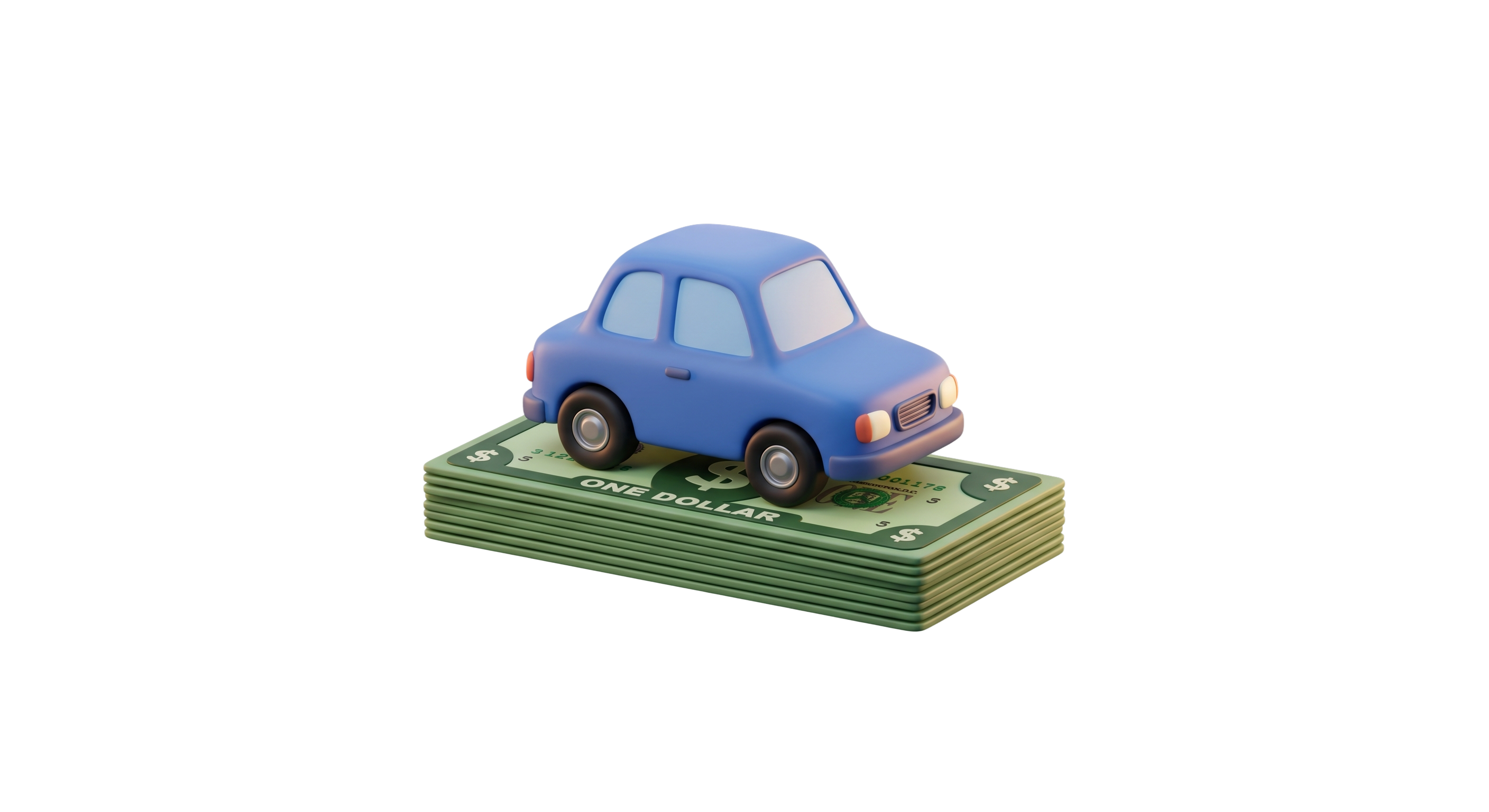
Injured in a car accident?
Know what your case is worth with AI Auto Accident Payout Calculator for FREE!
Start my free evaluationUnderstanding Uber’s $1 Million Insurance Policy
Uber’s insurance structure is tiered, depending on the driver’s status at the time of the accident. This is critical for anyone involved in an Uber T-bone or any other type of collision. When a driver is actively transporting a passenger or en route to pick one up, Uber provides significant coverage. Specifically, when a driver is engaged in a trip or is awaiting a ride request (meaning they have accepted a trip and are driving to the pickup location), Uber’s policy typically offers $1 million in third-party liability coverage. This substantial amount is designed to cover bodily injury and property damage to third parties, like Sarah, who are not passengers in the Uber vehicle.
This $1 million policy isn’t a blank check, however. It kicks in after the driver’s personal insurance policy is exhausted or if the personal policy denies coverage because the driver was engaged in commercial activity. Most personal car insurance policies explicitly exclude coverage for commercial use of a vehicle. This creates a gap that rideshare companies like Uber and Lyft attempt to fill with their own commercial policies. The challenge often lies in proving the driver’s exact status at the moment of impact. Was David actively on a trip? Was he logged into the app and waiting for a request? Or was he simply driving for personal reasons? The answers dictate which insurance policy becomes primary.
Working through the Legal Maze: Why an Atlanta Lawyer is Essential
Sarah quickly realized she was out of her depth. The forms were confusing, the insurance adjusters seemed to speak in riddles, and the thought of negotiating medical bills while still recovering was daunting. This is precisely when legal counsel becomes indispensable. A Georgia personal-injury and workers’ compensation firm, such as Bader Law, can provide the necessary expertise when facing these complex situations. When dealing with Car Accidents involving rideshare companies, an attorney understands the nuances of rideshare insurance policies and how to effectively pursue compensation. They can help navigate the claims process, deal with insurance companies, and ensure all damages are accounted for.
I cannot stress enough the importance of seeking legal advice early. Many injured parties make critical mistakes in the initial days and weeks following an accident, which can severely compromise their claim later on. These mistakes often include giving recorded statements to insurance adjusters without legal representation, failing to gather all necessary evidence, or accepting a quick, lowball settlement offer. An attorney will advise you against these pitfalls and protect your interests. They understand the intricacies of Georgia law, including statutes like O.C.G.A. Section 51-12-4, which governs the recovery of damages, and the important O.C.G.A. Section 9-3-33, which establishes a two-year statute of limitations for personal injury claims in Georgia. Missing this deadline means forfeiting your right to sue.
The Discovery Process: Uncovering the Truth
Sarah hired an attorney, who immediately began gathering evidence. This included requesting the police report, obtaining traffic camera footage from the intersection of 10th and Monroe, and subpoenaing David’s Uber activity logs for the day of the accident. The Uber logs were important. They confirmed that David had accepted a ride request moments before the collision and was en route to pick up a passenger. This confirmed he was operating under Uber’s $1 million commercial policy.
The attorney also collected all of Sarah’s medical records, hospital bills, and rehabilitation expenses. They worked with Sarah’s employer to document her lost wages and projected future income loss due to her injury. Expert witnesses were consulted, including an accident reconstruction specialist to analyze the physics of the T-bone impact, and a medical professional to provide an independent assessment of Sarah’s long-term prognosis and potential for permanent impairment. This careful evidence collection strengthens the case significantly, painting a clear picture of liability and damages.
Negotiating with Uber’s Insurers: A Battle of Wills
Armed with a strong case, Sarah’s attorney initiated negotiations with Uber’s insurance carrier. These negotiations are rarely straightforward. Uber’s insurers, like any large corporation, are focused on minimizing payouts. They will often challenge the extent of injuries, dispute lost wages, or even attempt to shift blame. For instance, they might argue that Sarah contributed to the accident by not reacting quickly enough, even though the police report clearly placed David at fault for running the red light.
The strength of the evidence, coupled with the attorney’s experience, is what in the end drives a favorable outcome. Sarah’s attorney presented a detailed demand package, outlining all her damages: medical expenses, lost income, pain and suffering, and the cost of her totaled vehicle. The initial offers from Uber’s insurer were predictably low, but Sarah’s attorney was prepared for this. They systematically countered each argument, using expert testimony and Georgia legal precedents to support Sarah’s claims. This back-and-forth can be lengthy and emotionally draining for the injured party, which is another reason why having a legal professional handle it is so important.
Settlement or Trial: The Path to Resolution
After several rounds of intense negotiation, Uber’s insurance carrier made a substantially improved offer. It covered all of Sarah’s medical bills, reimbursed her for lost wages, compensated her for the total loss of her vehicle, and provided a significant sum for her pain and suffering. Her attorney presented the offer to Sarah, explaining the pros and cons of accepting versus proceeding to trial. While a trial might potentially yield a higher award, it also comes with increased legal costs, prolonged uncertainty, and the emotional toll of litigation.
Sarah, after careful consideration and consultation with her attorney, decided to accept the settlement. The amount was fair, and it allowed her to close this traumatic chapter and focus on her recovery. The settlement covered not only her immediate financial burdens but also provided for future medical needs and potential long-term impacts of her injuries. This outcome shows the critical role of understanding the $1M insurance policy and having skilled legal representation in an Atlanta accident involving a rideshare driver.
For anyone facing a similar situation, remember that the initial shock and confusion can be overwhelming, but immediate action and expert guidance are your strongest allies. Do not hesitate to seek medical attention and legal advice. The complexities of rideshare insurance, especially with a $1M policy, demand a knowledgeable approach to ensure you receive the compensation you deserve.
What does Uber’s $1 million insurance policy cover?
Uber’s $1 million liability policy typically covers bodily injury and property damage to third parties when a driver is actively engaged in a trip or en route to pick up a passenger, meaning they have accepted a request through the app.
What should I do immediately after an Uber T-bone accident in Atlanta?
After ensuring your safety, call 911, exchange information with the Uber driver, take extensive photos and videos of the scene and vehicle damage, and seek immediate medical attention, even if you feel fine initially. Document everything.
Can I sue an Uber driver directly in Georgia?
While you can sue the driver, your claim will primarily involve Uber’s insurance carrier if the driver was operating under the rideshare app’s commercial coverage at the time of the accident. A personal injury lawyer can help identify all responsible parties.
How does Georgia’s statute of limitations affect my Uber accident claim?
In Georgia, you generally have two years from the date of the accident to file a personal injury lawsuit, as per O.C.G.A. Section 9-3-33. Failing to file within this timeframe typically means you lose your right to pursue compensation.
Will my own car insurance cover an accident with an Uber driver?
Your own car insurance may provide some coverage, such as for medical payments or uninsured/underinsured motorist claims, but it typically won’t be the primary coverage for damages caused by an at-fault Uber driver. Uber’s commercial policy is usually the main source of compensation.