
Key Takeaways
- Under Georgia law (O.C.G.A. § 51-1-6), an injured pedestrian can seek compensation even if they were partially at fault, as long as another party’s negligence was a factor in the accident.
- Pedestrians using augmented reality (AR) apps like Pokémon GO or other immersive games are far more distracted, which makes a pedestrian accident on Atlanta’s busy streets much more likely.
- Building a case for an AR-related pedestrian accident means digging into phone data, app logs, and talking to witnesses to prove how much the distraction contributed to the incident.
- Drivers must always be on the lookout for pedestrians, and their failure to see and react to a distracted person can still be considered negligence under Georgia’s modified comparative negligence rule (O.C.G.A. § 51-12-33).
- If you’re in a pedestrian accident, get to a doctor right away, take photos of everything at the scene, get contact info from anyone who saw it happen, and call a Georgia personal injury attorney to figure out your next steps.
The Alarming Rise of AR Distraction in Atlanta Pedestrian Accidents
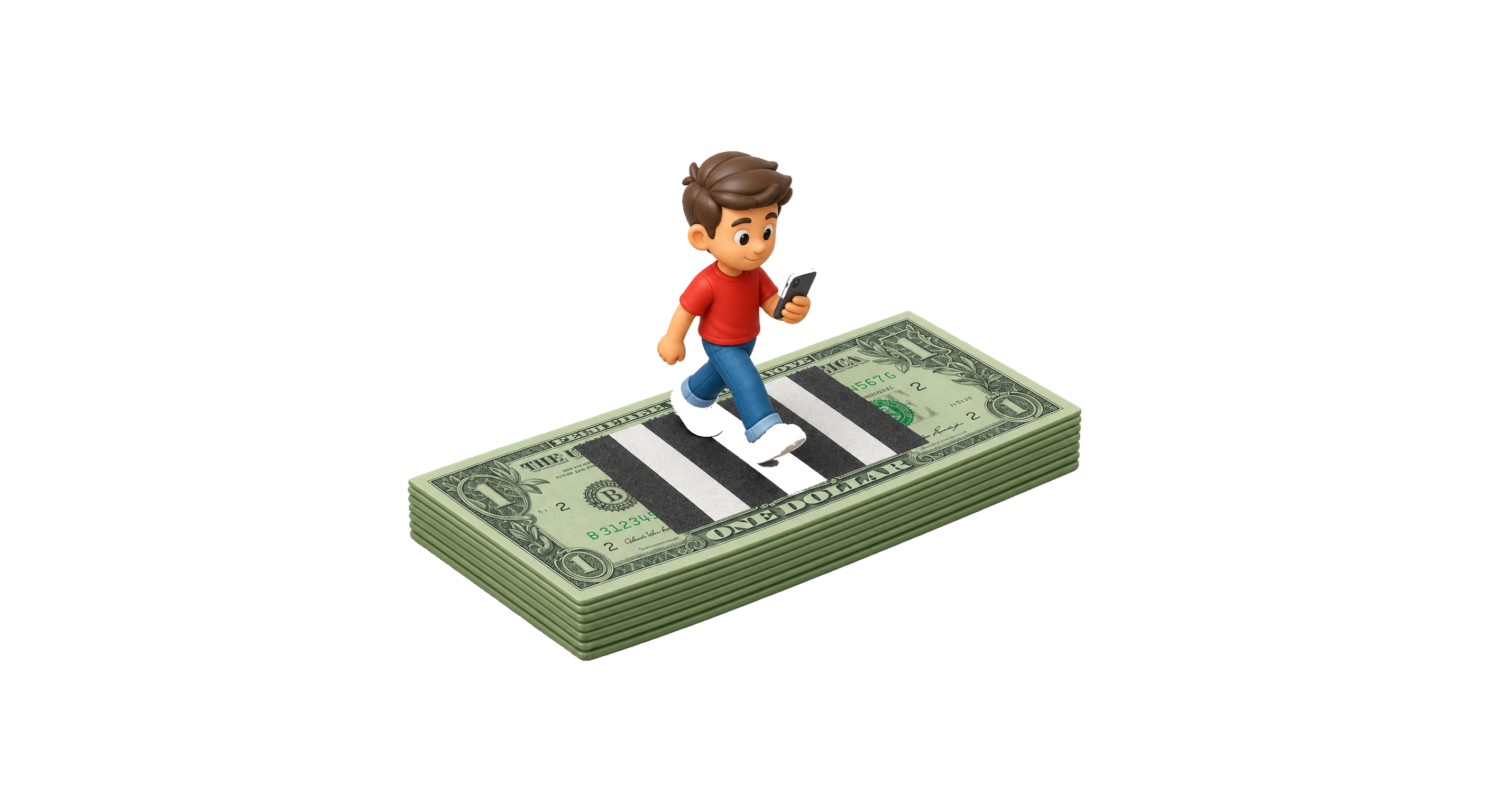
Atlanta’s busy sidewalks and thriving tech scene create a perfect storm for pedestrian safety problems, especially with augmented reality (AR) apps becoming so common. A pedestrian accident in Atlanta today isn’t just about someone texting. It’s increasingly about people who are totally immersed in a digital world layered on top of their physical one. This new kind of distraction is a real, and often overlooked, risk to public safety. This new technology complicates liability when a collision happens.
Understanding Augmented Reality’s Impact on Pedestrian Safety
Augmented reality doesn’t block out the world like virtual reality does. It overlays digital content onto your view of the real world, usually through a phone screen. Think about Pokémon GO, where people wandered through actual streets to find virtual creatures, or newer apps that point out historical facts on buildings as you walk by. These technologies are engaging, but they take up a ton of your mental and visual bandwidth, pulling your attention away from what’s right in front of you.
When a pedestrian’s eyes are glued to a screen trying to track a virtual target, their awareness of traffic lights, cars, or even cracks in the sidewalk disappears. This is a practical concern. Plenty of studies have shown the dangers of distracted walking, and AR just adds another layer of complexity to it. A 2023 report from the National Safety Council confirms that pedestrian deaths are still a huge problem nationwide, and while we don’t have hard numbers on AR-specific accidents yet, the mechanics of distraction are the same. The brain has a finite ability to process information, and if most of it is being used for an AR game, real-world dangers can go completely unnoticed until it’s too late.
Injured as a pedestrian?
Know what your case is worth with AI Pedestrian Payout Calculator for FREE!
Start my free evaluationImagine a pedestrian walking near a busy intersection like Peachtree Street and 14th Street in Midtown. If they’re deep in an AR game that has them looking down at their phone, they could easily step off the curb without seeing a “Don’t Walk” signal or a car turning into their path. That split-second distraction can lead to catastrophic injuries. The Georgia Department of Transportation (GDOT) has safety initiatives, but they tend to focus on things like crosswalks and general awareness campaigns, which don’t really get at the unique problems caused by AR-induced distraction.
Involved in a truck accident?
Trucking companies begin destroying evidence within 14 days. Truck accident claims average 3× higher than car accidents.
Legal Complexities: Establishing Fault in AR-Related Accidents
When an AR-distracted pedestrian gets hit, figuring out who’s at fault is a tricky legal question. Georgia uses a modified comparative negligence rule, which is laid out in O.C.G.A. Section 51-12-33. Basically, this law says a plaintiff (the injured person) can only get damages if their own fault is less than the defendant’s. If a pedestrian is found 50% or more to blame, they get nothing. If they’re found to be less than 50% at fault, their damages are just reduced by their percentage of fault.
Let’s say a pedestrian is staring at an AR app, walks into a crosswalk against the signal, and gets hit by a speeding driver. Both of them probably share some of the blame. The pedestrian was distracted and ignored the signal. But the driver was speeding, which is also negligent. A jury in Fulton County Superior Court could look at the facts and decide the pedestrian was 60% at fault, in which case the pedestrian recovers nothing. If the jury decided the pedestrian was only 40% at fault, their total damages award would be cut by 40%.
Proving someone was distracted by an AR app isn’t simple. It can require getting a forensic expert to pull data from the phone, like app usage logs and GPS information, to show the person was actively playing a game at the exact moment of the crash. Witness testimony is also huge. Did anyone see the pedestrian staring at their phone? Did the driver notice the person wasn’t paying attention before the impact?
It’s important to know that drivers have a legal duty of care, too. Even if a pedestrian is completely zoned out, a driver is supposed to be paying attention and take reasonable action to avoid a collision. If a driver had plenty of time to see the distracted pedestrian and stop but didn’t (maybe they were distracted themselves), they could still be found partly or mostly liable. This is what makes comparative negligence cases so complicated, and it’s why a full investigation of every single factor is necessary.
Preventative Measures and Public Awareness
Several things need to happen to tackle AR distraction risks. Public awareness campaigns, like the ones for distracted driving, are a good start. Education could show people the real dangers of using AR apps in high-traffic areas. The tech companies that make these AR apps also have a role to play. They could build in features that detect when a user is moving near a road and pause the game or pop up very direct safety warnings. Some apps have basic warnings now, but stronger interventions might be needed as this tech gets more popular.
For pedestrians, the best prevention is obvious: put the device away when you’re walking near or across a street. It’s about staying safe and avoiding a lawsuit. No virtual prize is worth a serious injury. If you have to engage with an AR app, find a safe spot to stand still, away from traffic. The brain struggles to process a virtual world and real-world dangers at the same time. It’s a hard truth many people ignore until something bad happens.
Atlanta’s local authorities could also put up specific signs in busy pedestrian zones, especially where AR games are popular, just to remind people to look up. While everyone is responsible for their own safety, a joint effort from app makers, city planners, and safety groups can help make Atlanta’s streets safer for everybody.
Steps to Take After an Atlanta Pedestrian Accident
If you or someone you know is in a pedestrian accident in Atlanta, especially if an AR app was involved, the things you do right after can have a big impact on a potential legal claim:
- Seek Medical Attention Immediately: Your health comes first. Get checked out by a doctor even if you feel okay. Adrenaline can hide pain, and some injuries (like a concussion) aren’t obvious right away. Documenting your injuries from day one is critical for a personal injury claim.
- Contact Law Enforcement: Call the Atlanta Police Department to report the accident. A police report creates an official record of what happened, with details on everyone involved and what the officer saw.
- Document the Scene: If you can do it safely, use your phone to take photos and videos of everything. Get shots of the car damage, your injuries, the traffic lights, road conditions, and even the AR app screen if you can. Note the exact location and time.
- Gather Witness Information: If anyone saw what happened, get their name and phone number. What they saw can be incredibly helpful for proving your case.
- Do Not Admit Fault: Don’t say anything that sounds like you’re taking the blame, even if you think you might be partially responsible. Just stick to the facts when you talk to the police or the driver.
- Consult a Georgia Personal Injury Attorney: A lawyer who handles pedestrian accident cases can explain your rights, help you deal with Georgia’s complex laws, and build your case. They can help gather evidence, deal with insurance companies, and take your case to court if it comes to that which is especially important when AR distraction makes liability so murky.
Sorting out the aftermath of a pedestrian accident is tough, and new tech like AR adds extra evidentiary challenges. Understanding your options and acting fast can help secure the compensation you might be entitled to under Georgia law (see O.C.G.A. Section 51-1-6, which gives you the right to recover damages caused by someone else’s negligence).
AR’s growing presence in our lives brings exciting possibilities and serious risks, particularly for pedestrians in a busy city like Atlanta. As the technology continues to develop, our laws and our personal habits have to adapt. Prioritizing real-world awareness over digital fun is the only way to keep from becoming another statistic.
Can I still recover damages if I was using an AR app when I was hit by a car in Atlanta?
You might, but your recovery could be reduced or even blocked depending on your percentage of fault. Georgia’s modified comparative negligence rule (O.C.G.A. § 51-12-33) says you can only recover damages if you’re found to be less than 50% at fault. So if a jury says you were 40% at fault, your compensation gets cut by 40%.
What kind of evidence is used to prove AR distraction in a pedestrian accident case?
Evidence often includes a forensic analysis of a smartphone to get app usage logs, timestamps, and GPS data that can show active AR use right when the accident happened. We also rely on witness statements, any available surveillance video, and the details in the police report.
Does a driver have any responsibility if they hit a distracted pedestrian?
Yes, absolutely. Drivers always have a duty to operate their car safely and look out for pedestrians, even ones who aren’t paying attention. If a driver reasonably could have avoided hitting a distracted person but didn’t (maybe because they were speeding or on their own phone), they can be held partly or fully liable for the accident.
What should I do immediately after an AR-related pedestrian accident in Atlanta?
First, get medical help. Your health is the priority. Then, call the police, get contact information from any witnesses, and take as many photos and videos of the scene as you can. Don’t admit fault to anyone, and call a Georgia personal injury lawyer as soon as you’re able.
Are AR app developers liable for accidents caused by their applications?
It’s very difficult to hold an app developer liable. In most cases, liability is going to fall on the user for being distracted or the driver for being negligent. You might have a product liability claim in a very rare situation where an app had a serious design flaw that directly caused the accident, but those cases are extremely complex and depend heavily on the specific facts.



