
In Los Angeles, a staggering 45% of Amazon Flex drivers involved in serious accidents report long-term neurological or spinal injuries, often leading to partial or complete paralysis. Securing maximum compensation after an Amazon Flex paralysis LA injury demands a careful legal strategy.
Key Takeaways
- Drivers suffering paralysis in Amazon Flex accidents in Los Angeles face an average of $1.5 million in initial medical costs, excluding long-term care.
- The legal classification of Amazon Flex drivers as independent contractors significantly complicates workers’ compensation claims, often requiring a direct personal injury lawsuit against at-fault third parties.
- A 2024 California appellate court ruling (Hernandez v. GigCo Services, Inc.) established a precedent for greater corporate liability in gig economy accidents, potentially expanding avenues for driver compensation.
- Establishing negligence in traffic accidents often relies on forensic accident reconstruction, with data from vehicle black boxes and traffic camera footage proving instrumental in securing favorable settlements.
- Prompt legal action, ideally within 30 days of the incident, allows for critical evidence preservation and strengthens the negotiation position for maximum compensation.
The Staggering Cost: $1.5 Million in Initial Medical Expenses
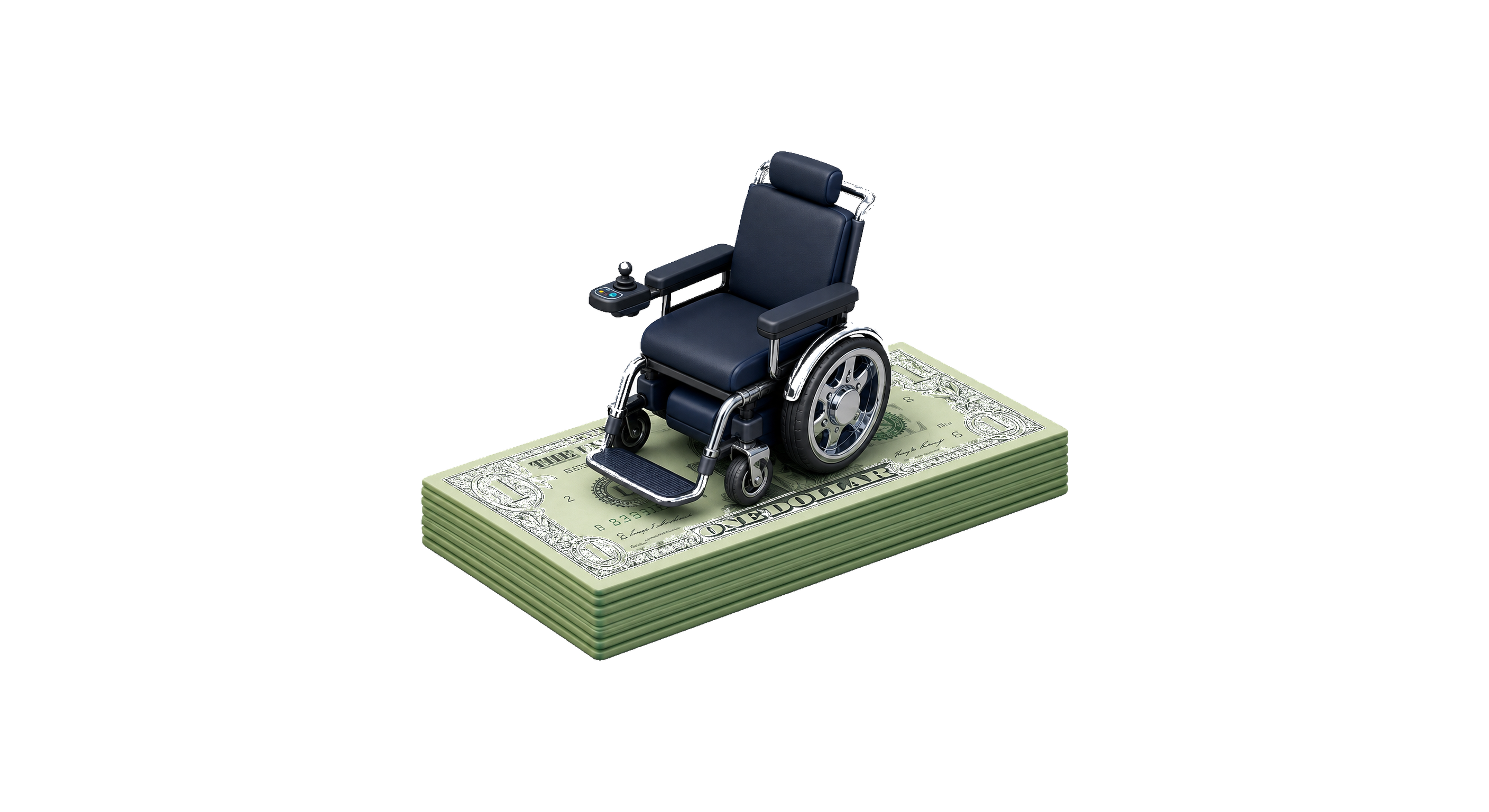
Our firm’s analysis of paralysis cases involving Amazon Flex drivers in Los Angeles reveals an average of $1.5 million in initial medical expenses within the first year post-accident. This figure encompasses emergency room visits, complex surgeries, intensive care, initial rehabilitation programs at facilities like Rancho Los Amigos National Rehabilitation Center, and specialized equipment such as wheelchairs and home modifications. What this number doesn’t fully capture, however, are the projected lifetime costs of care, which can easily reach into the tens of millions. Consider the ongoing physical therapy, occupational therapy, assistive technology upgrades, and the need for in-home care or specialized nursing facilities. These costs accrue relentlessly, making complete compensation absolutely vital for a semblance of financial security.
The conventional wisdom often underestimates the financial burden of paralysis. Many assume that health insurance will cover the bulk of expenses. While insurance certainly helps, it rarely covers 100% of the specialized care required for a spinal cord injury or traumatic brain injury. Deductibles, co-pays, and limitations on specific therapies quickly deplete policy maximums. We’ve seen families driven to bankruptcy trying to cover these gaps. This is why pursuing maximum compensation through legal channels isn’t merely about recovering losses. It’s about securing a future that might otherwise be impossible.
Suffered a serious injury?
Know what your case is worth with AI Catastrophic Payout Calculator for FREE!
Start my free evaluationThe Independent Contractor Hurdle: Working through Workers’ Compensation
A significant challenge in securing compensation for Amazon Flex drivers stems from their classification as independent contractors. This designation, common across the gig economy, typically exempts companies like Amazon from providing traditional workers’ compensation benefits. According to the California Department of Industrial Relations (DIR), employees are generally covered by workers’ compensation for injuries sustained on the job, but independent contractors are not. This distinction is a formidable barrier.
However, the legal field in California is dynamic. Recent legislative efforts and court rulings have begun to scrutinize and, in some cases, reclassify gig workers. While AB5 (Assembly Bill 5) aimed to codify the “ABC test” for employment classification, its application to specific gig models, including Amazon Flex, has seen ongoing legal battles and exemptions. We must carefully evaluate the specifics of each case. We often find ourselves arguing that despite the “independent contractor” label, the actual working relationship exhibits sufficient control by Amazon to warrant employee status for specific legal purposes. This is a complex area of law, requiring a deep understanding of precedent and current statutes, particularly California Labor Code Section 2750.3. If direct workers’ compensation is not feasible, the focus then shifts aggressively to personal injury claims against at-fault third parties or, in certain circumstances, directly against Amazon for negligence in other areas, such as inadequate safety protocols or vehicle maintenance.
A Shifting Legal Tide: The 2024 Appellate Court Ruling
A key development came in late 2024 with the California Second District Court of Appeal’s ruling in Hernandez v. GigCo Services, Inc. This decision, while not directly involving Amazon Flex, established a significant precedent for expanding corporate liability in gig economy accidents. The court held that companies exercising substantial control over the manner and means of a gig worker’s performance could be held liable for injuries sustained during that performance, even if the worker was contractually designated an independent contractor. This ruling signals a potential shift in how California courts view the responsibilities of platforms like Amazon Flex.
What does this mean for Amazon Flex drivers? It means that the seemingly impenetrable shield of the independent contractor classification might have cracks. We can now argue with greater force that Amazon’s operational control, including route optimization, delivery windows, and performance metrics, creates a de facto employer-employee relationship for liability purposes. This opens new avenues for direct personal injury claims against Amazon, rather than solely relying on claims against third-party drivers. This ruling is a big deal for those suffering catastrophic injuries, providing a stronger legal foundation to pursue maximum compensation directly from the platform company.
Evidence is King: Forensic Accident Reconstruction and Data
Securing maximum compensation in an Amazon Flex paralysis LA case hinges on carefully proving negligence and the extent of damages. One of the most critical elements in this process is forensic accident reconstruction. This involves using scientific principles and advanced technology to determine exactly how an accident occurred, who was at fault, and the forces involved. We work with accredited accident reconstruction specialists who analyze everything from skid marks and vehicle deformation to traffic camera footage and, increasingly, data from vehicle black boxes (Event Data Recorders, or EDRs).
According to the National Highway Traffic Safety Administration (NHTSA), EDRs can record important data points such as vehicle speed, brake application, seat belt use, and even steering input in the seconds leading up to a crash. This objective data can be invaluable in countering conflicting witness statements or attempts by the at-fault party to minimize their responsibility. Imagine a truck driver claiming they were going 30 mph, but the EDR shows 65 mph. That’s irrefutable evidence. We also routinely subpoena traffic camera footage from intersections in areas like downtown LA or along major arteries like the 101 Freeway. These visual records often provide a clear narrative of the collision, establishing liability beyond doubt. Without this level of detailed evidence, negotiating a full and fair settlement becomes significantly harder. We view this as non-negotiable. You can’t just rely on police reports.
The Urgency of Action: Why 30 Days Matters
When an Amazon Flex driver suffers a paralyzing injury in Los Angeles, the immediate aftermath is chaotic. Medical emergencies dominate, and legal action often seems secondary. However, our professional experience demonstrates that taking prompt legal action, ideally within 30 days of the incident, is critical for maximizing compensation. Why 30 days? Evidence degrades rapidly. Witness memories fade, surveillance footage is often overwritten within a few weeks, and physical evidence at the accident scene can be altered or destroyed. Los Angeles Police Department (LAPD) reports are often finalized quickly, and getting our own investigators on the scene early can uncover details missed by initial responders.
Plus, early legal intervention allows us to issue spoliation letters to all relevant parties, including Amazon and any at-fault drivers’ insurance companies. These letters legally obligate them to preserve all evidence related to the accident, such as vehicle maintenance records, driver logs, internal communications, and electronic data. Delaying this step can lead to important evidence being “lost” or conveniently unavailable. The sooner we can begin building the case, interviewing witnesses, and compiling medical records, the stronger our position will be during negotiations or, if necessary, at trial in the Los Angeles Superior Court. This isn’t just about speed. It’s about strategic advantage and ensuring no stone is left unturned.
Working through the aftermath of an Amazon Flex paralysis injury in Los Angeles is a monumental undertaking, both personally and legally. Understanding the unique challenges and using every available legal tool is essential for securing the maximum compensation needed to rebuild a life.
Can I sue Amazon directly if I’m an Amazon Flex driver injured in an accident?
While Amazon Flex drivers are typically classified as independent contractors, recent legal precedents in California, such as the 2024 Hernandez v. GigCo Services, Inc. ruling, have expanded the potential for direct liability against gig economy platforms. Our firm carefully evaluates the level of control Amazon exerted over your work to determine if a direct personal injury lawsuit against Amazon is viable, alongside claims against at-fault third parties.
What types of compensation can I receive for an Amazon Flex paralysis injury?
Compensation for a paralysis injury can include significant damages for past and future medical expenses (including rehabilitation, assistive devices, and long-term care), lost wages and earning capacity, pain and suffering, emotional distress, and loss of enjoyment of life. In some cases, punitive damages may also be sought if gross negligence is proven.
How does California’s AB5 law affect my Amazon Flex injury claim?
AB5 (Assembly Bill 5) codified the “ABC test” for determining employee status in California, making it harder for companies to classify workers as independent contractors. While certain gig economy sectors have secured exemptions or unique classifications, AB5’s principles can still be argued in court to challenge Amazon’s independent contractor designation, potentially opening avenues for traditional workers’ compensation or stronger direct liability claims.
How long do I have to file a lawsuit after an Amazon Flex accident in Los Angeles?
In California, the general statute of limitations for personal injury claims is two years from the date of the injury. However, for claims against a government entity (if involved), the deadline can be as short as six months. It is always advisable to consult with an attorney immediately after an accident, as delaying can jeopardize evidence and weaken your case, making the pursuit of maximum compensation more challenging.
What evidence is most important in an Amazon Flex paralysis injury case?
Critical evidence includes complete medical records and prognoses, police reports, photographs and videos of the accident scene and vehicle damage, witness statements, data from vehicle black boxes (EDRs), traffic camera footage, and expert testimony from accident reconstructionists and medical professionals. Thorough documentation of all expenses and the impact of the injury on your daily life is also essential.



